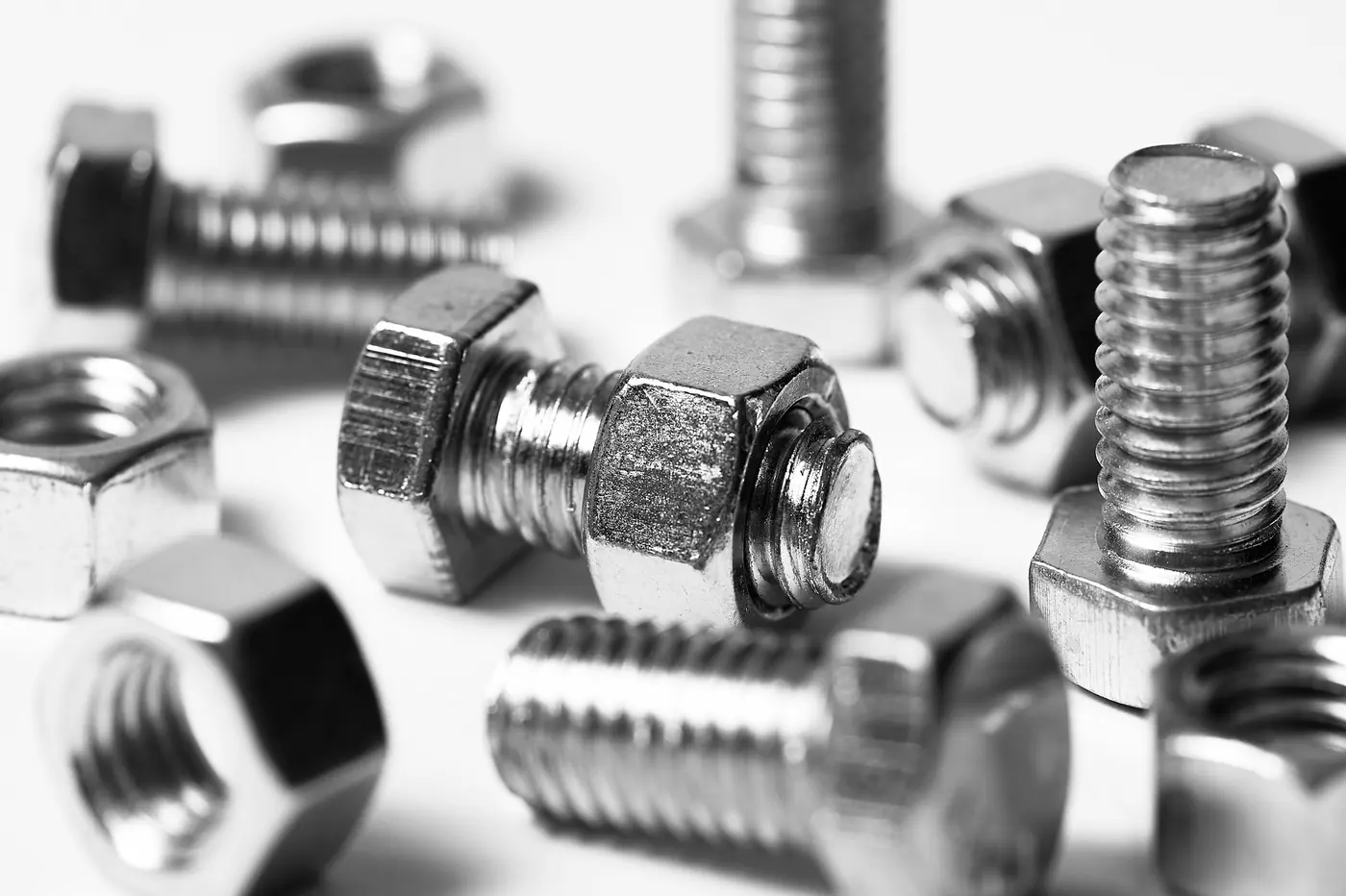
Keep steel parts from corroding in service.
Zinc and zinc-nickel plating chemicals, passivates and topcoats for salt-spray performance.
Products
We supply the chemicals for these processes; series names and technical data are shared per application.
Zinc plating (acid and alkaline)
Acid chloride and cyanide-free alkaline zinc electrolytes for rack and barrel lines.
Zinc-nickel alloy plating
Acid and alkaline zinc-nickel electrolytes, widely specified for automotive components.
Zinc-iron alloy plating
Alkaline zinc-iron alloy electrolytes, commonly paired with black passivates.
Trivalent passivates
Cr(VI)-free clear, blue, thick-film and black passivates, including cobalt-free types.
Sealers and topcoats
Organic, inorganic or hybrid layers applied over passivated zinc and zinc alloys.
Phosphate coatings
Zinc and manganese phosphate layers that, sealed with oil or wax, protect steel parts against corrosion.
Zinc flake coatings
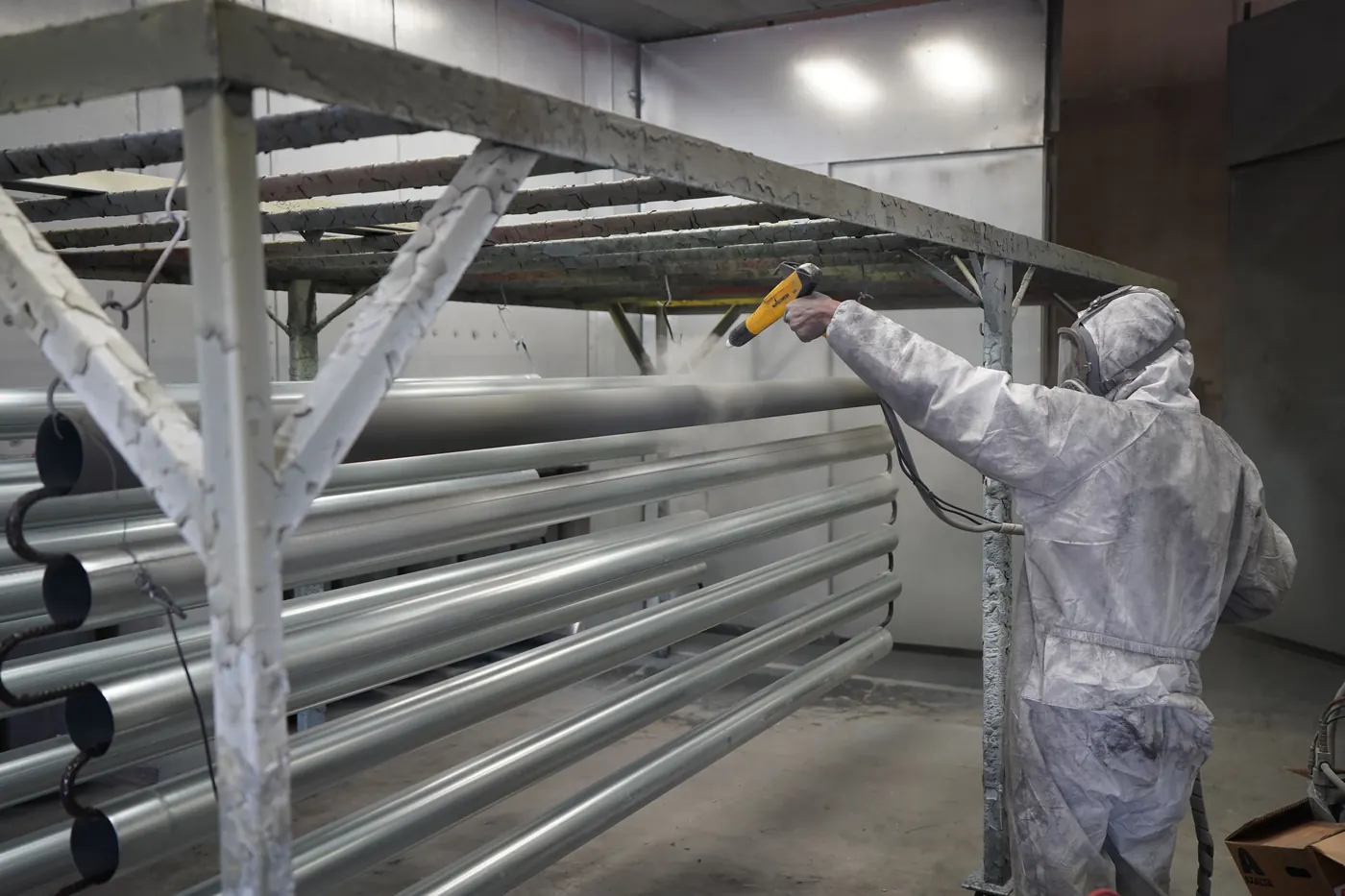
Non-electrolytic zinc-aluminium flake basecoats and topcoats, applied by dip-spin or spray.
Process families
- Zinc and zinc-alloy systems
- Passivates
- Topcoats and sealers
What we discuss with you
- Required corrosion class and test method
- Part geometry: threaded, recessed, rack or barrel
- Appearance: silver or black
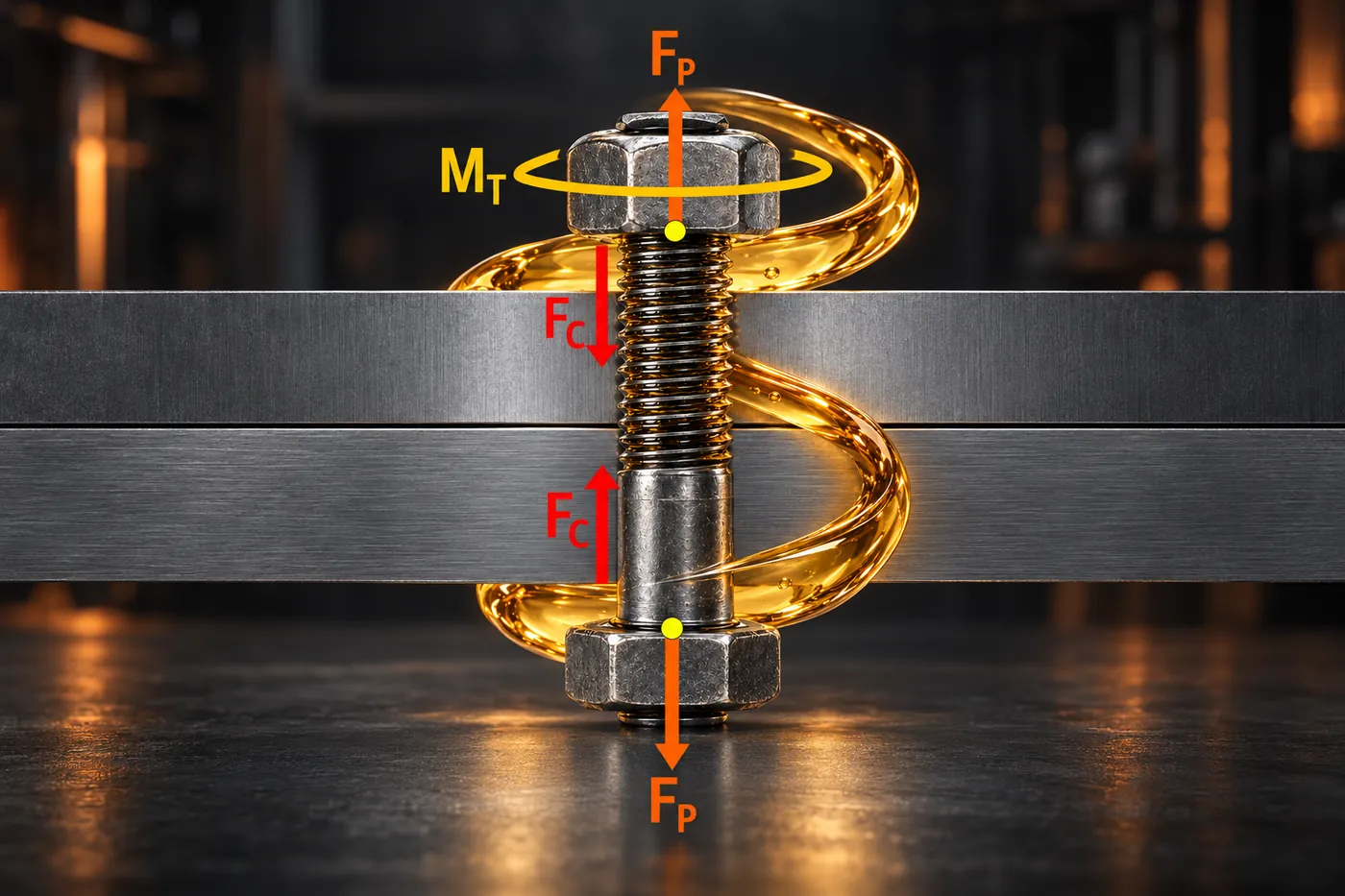
- Friction and assembly requirements
Substrates
- Steel
An example system
How one zinc-nickel system is built up on steel. Other systems follow different sequences.
- 1Surface preparation — the condition of the steel surface, not a layer
- 2Zinc-nickel deposit — protects the steel
- 3Passivate — slows corrosion of the deposit
- 4Topcoat / sealer — adds protection, can help control friction
Schematic, not to scale.
Used in

Automotive
Films, corrosion and wear coatings, fasteners and decorative finishes.

Construction
Paint pre-treatment, hydraulic rods, fasteners, window fittings.

Aerospace
Corrosion resistance, wear resistance and paint adhesion.
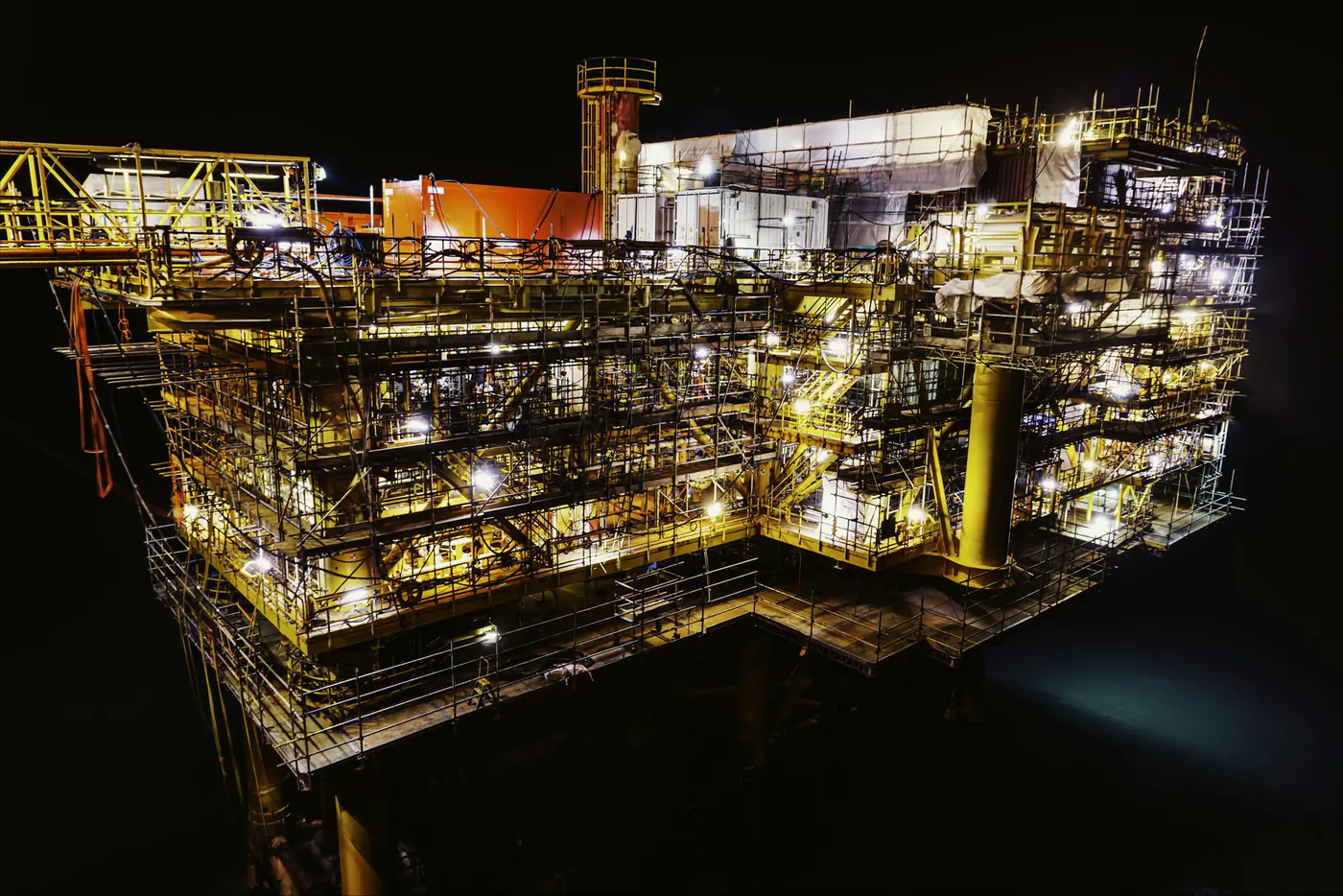
Oil & gas
Sub-sea valve protection, corrosion-resistant oils, heat transfer fluids.
Furniture & domestic
Appearance, corrosion resistance and easy-to-clean surfaces.
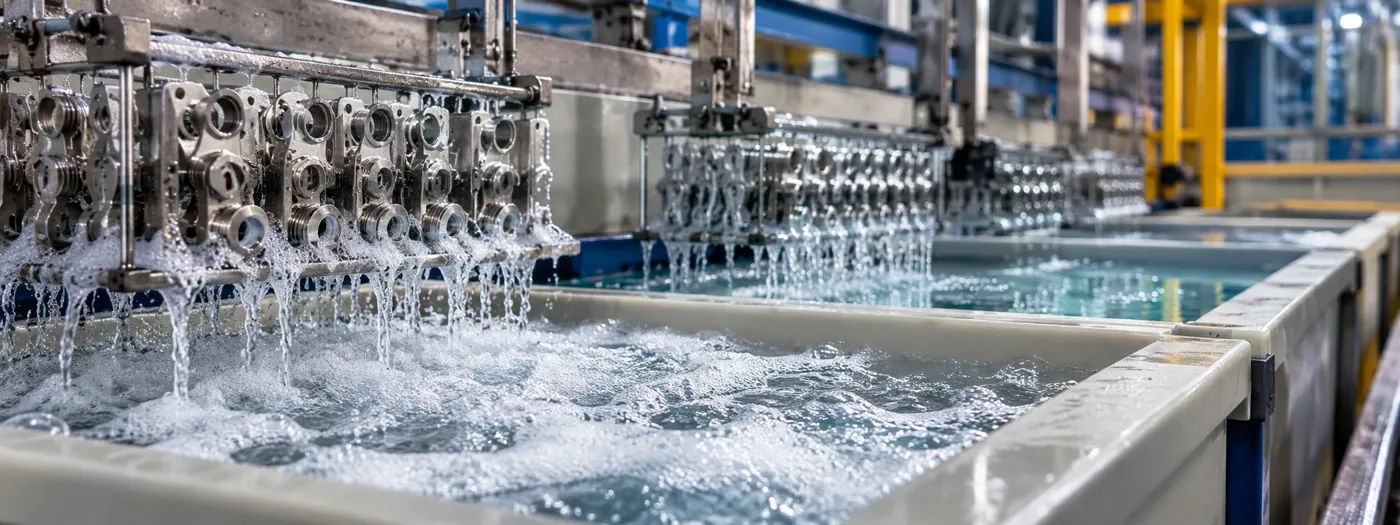
Share the part, the substrate and the specification — our technical team comes back to you.